Quiet Time or Gentle Movement? Choosing a Kind of Pause
Quiet time or gentle movement? Match your pause to how you feel, with simple options for easing restlessness, mental clutter or ordinary tiredness.
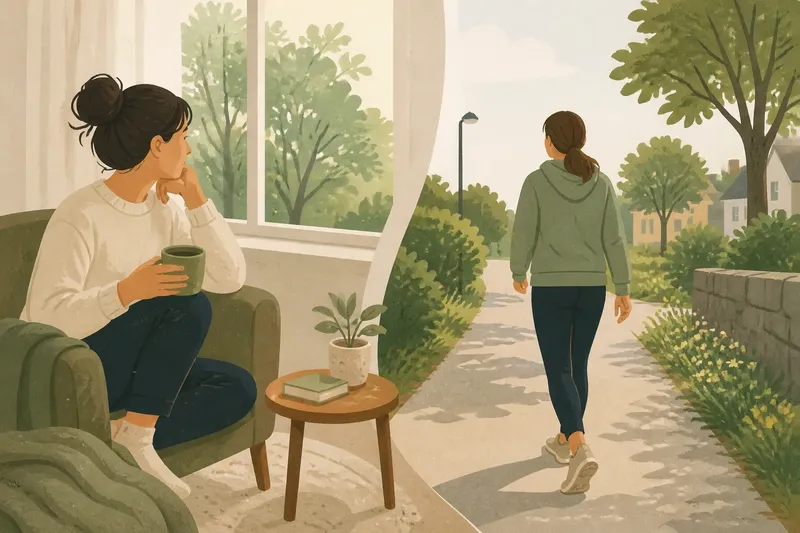
Should you choose quiet time or gentle movement when you need a break? Quiet time or gentle movement can each make room for a pause, but they suit different moments. The useful question is what kind of pause feels manageable right now.
Stillness means choosing not to add much physical activity: you might sit by a window, lie down, or listen to familiar music. Gentle movement means easy, unhurried activity, such as strolling along a quiet street, stretching within a comfortable range, or watering plants. Neither needs to be a performance or a test of discipline.
Choose quiet time when your attention feels crowded
If you have spent a while switching between messages, conversations and decisions, another task can feel like more input. A quieter pause reduces the demands you are choosing to take on. Sit somewhere comfortable, put your phone out of reach, and let your eyes rest on an ordinary view, such as a tree outside or the pattern on a mug.
Stillness does not require you to empty your mind. Thoughts may continue, and that is not a sign you are doing the pause incorrectly. You are simply choosing not to add another stream of instructions, noise or decisions.
Keep the setting simple. A chair near a window may be easier than arranging a special space or selecting an elaborate audio track. If silence feels uncomfortable, quiet time can include soft background sound, provided it does not become something you need to follow.
Try gentle movement when sitting still feels uncomfortable
Sometimes sitting down leaves you aware of fidgetiness or a wish to change position. Easy movement may feel like a comfortable option for that moment, without turning a break into a workout. You could walk to the end of the garden and back, potter around the kitchen, or take an unhurried lap of a familiar indoor space.
Think of this kind of pause as loosening a knot rather than pulling harder on it. A small, unhurried action may feel less demanding than trying to force yourself to sit quietly. Keep the pace easy; you do not need to push, compete with a timer or complete a set route.
Movement can also bring a change of view. A short walk past a window or along a calm corridor gives you different surroundings without requiring a big outing. If the movement begins to feel like an obligation, shorten it or stop. The point is a pause, not completing a target.
Match the pause to the kind of tiredness you notice
“Tired” can describe several different experiences. You might feel sleepy, mentally saturated, physically stiff from remaining in one position, or weary of conversation. Naming the quality of the feeling can help clarify your next choice without requiring a diagnosis.
- Sleepy or heavy: If you want less stimulation, choose a restful posture; if lying down is inconvenient, sit somewhere comfortable instead.
- Stiff from staying in one position: If changing position feels comfortable, stand to look out of a window or take an easy walk; if movement feels uncomfortable, stay seated and choose another low-demand pause.
- Muddled after many decisions: If more choices feel tiring, sit quietly with little incoming information; if silence feels uncomfortable, choose a familiar, low-demand sound.
- Restless after being indoors: If the setting and conditions feel comfortable, consider a gentle walk outdoors; if not, move around at home or remain seated.
- Worn out by conversation: If you can step away, find a quieter spot; if you need to remain available, reduce other demands, such as putting away your phone.
- Unsure what you need: If one option seems tolerable, try it briefly and notice how it feels; if it adds pressure, stop and choose a simpler alternative.
These are starting points, not fixed pairings. You can feel mentally overloaded and physically stiff at once. In that case, a comfortable change of position followed by sitting quietly may suit you better than choosing only one kind of pause.
Make the choice small enough to change
You do not have to predict exactly what will help before you begin. Try one simple option, then notice an ordinary signal: does your body feel more settled, does the setting feel less demanding, or are you ready to return to what you were doing? If not, switching is allowed.
Say you have just finished a noisy family call and notice tense shoulders and jumping thoughts. You might walk slowly to the kitchen and back, then sit by a window without your phone. The walk gives you a chance to change position; the quiet afterwards leaves fewer demands on your attention. If walking feels like too much, skip it and sit down instead.
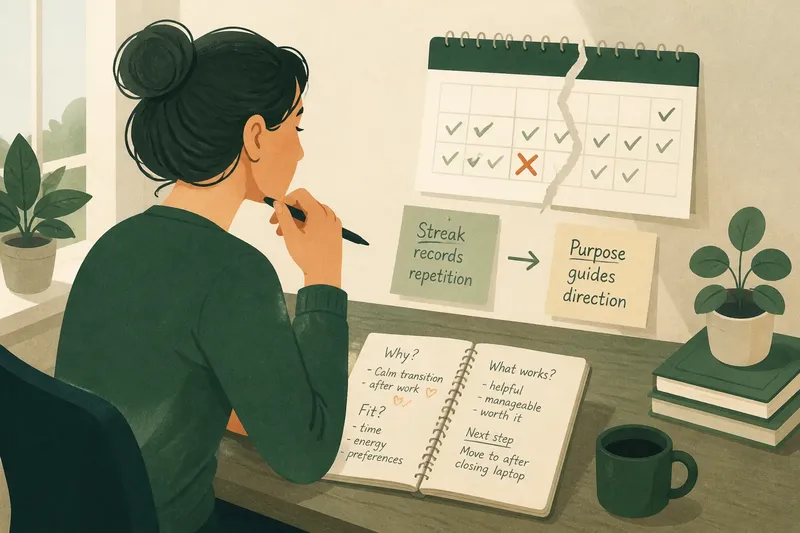
This small trial is not a scorecard. It can help you notice what feels more comfortable in that particular moment. After a different kind of day, you may choose differently.
Let the surroundings shape the pause
A pause has to fit the place you are in. At home, a chair, balcony or quiet patch of floor may be available. At work, you might have only a hallway, a break room or the space beside your desk. In a busy public place, sitting somewhere comfortable may be more practical than closing your eyes or walking around.
Consider noise, privacy, weather, clothing and the people around you. If you are responsible for someone else, choose an option that still lets you respond to them. A pause does not need to be secluded; it can simply be a spell with fewer demands than the activity before it.
If a walk is inconvenient, the weather is unpleasant, or your body would rather remain still, choose another form of rest. The useful option is the one that suits the circumstances you have.
Keep the pause free of performance targets
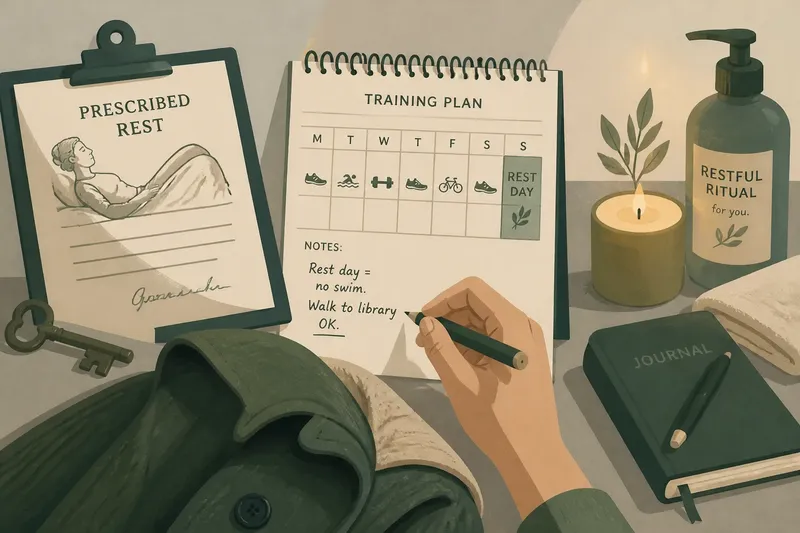
Wellness language can make ordinary rest sound like a project: optimise your energy, reset your system, or make every spare moment productive. Such claims can blur the difference between taking a break and trying to produce a particular result. A pause can matter to you without proving that it changed your mood, focus or output.
Notice when gentle movement becomes a disguised exercise session. You might start tracking distance, pushing your pace, or feeling that a walk only counts if it meets a personal standard. Planned exercise is a different intention from taking an easy break.
Quiet time can also become demanding if you judge yourself for thinking, fidgeting or getting up. You are not required to become perfectly calm. If a pause is turning into another task to do correctly, soften the expectation: sit for a while, move at an easy pace, or return to your day.
How do you choose between stillness and movement?
Is quiet time better than gentle movement?
Neither is better in every situation. Quiet time may suit a moment with too much incoming stimulation, while gentle movement may feel more comfortable when you are restless or stiff.
What counts as gentle movement?
It is easy, low-pressure activity such as an unhurried walk, comfortable stretching or watering a plant. It need not involve chasing a pace or finishing a fixed amount.
Can I switch from moving to sitting still?
Yes. A pause can change shape as you notice what feels manageable. You do not have to finish an activity before changing course.
What if neither option feels appealing?
Choose the smallest adjustment that feels tolerable, such as changing seats, lowering background noise or looking away from a screen. If even that feels like too much, stop trying to optimise the moment and give yourself time.
Choose the pause that asks less of you
When you are unsure, look for the option that adds the least pressure. If another sound, conversation or decision feels like the main demand, quiet time may fit. If sitting still feels uncomfortable, gentle movement may be a more comfortable choice. Quiet time or gentle movement is a useful distinction, not a rule about how rest should look.
Leave room to change your mind. Sit first and stand later, or walk briefly and then stop. A pause can be modest and unfinished; let your next choice respond to how you feel rather than to an imagined standard of perfect rest.